Database Reactivation
Why mortgage broker leads go cold and what brings them back
You called once, maybe twice, then nothing. Here is what causes mortgage broker leads to go cold and what actually gets them talking again.
Send a text to a lead you have not spoken to in 12 months and here is what comes back, and what to do with each type of reply.
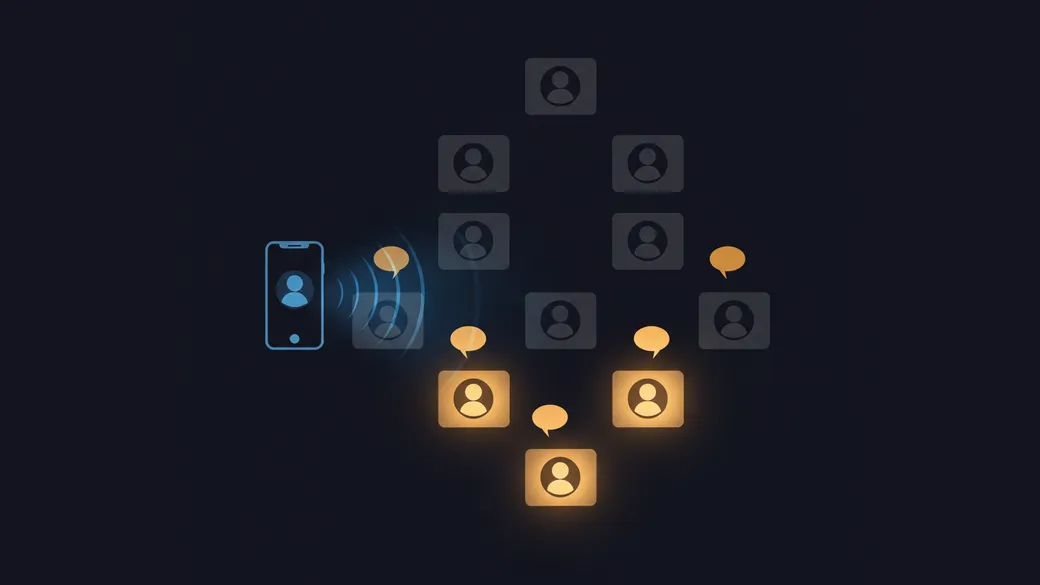
When you text an old lead from your CRM, you will get one of a handful of responses back. Some of them are ready to talk right now. A larger group will give you a date. Most will not reply to the first message, and that silence is not the same as a dead contact.
This post covers what actually comes back when you run a text-based re-engagement in Australia, what each type of response means, and how the length of time since the original enquiry changes what you should expect.
The first message has one job: make the person remember who you are and feel like the message was written for them, not broadcast to everyone on a list.
A message that lands well opens with the context you have. Who you are, why you are reaching out, and a reference to the original conversation. Something along these lines: “Hi [Name], it is [Your Name] from [Business]. You spoke to us a while back about [what they enquired about]. Are you still thinking about that, or has your situation changed?”
Ask one question at the end and leave it at that. If the person is in market right now, they will say so. If they are not, they will tell you, and that information is genuinely useful.
A price or a promotion in the first message tells the person they are on a list. It removes any sense that someone remembered them specifically, and the message stops reading like a follow-up and starts reading like an ad.
Keep the offer out of the first exchange. Once a reply comes in and a real conversation is underway, you can introduce it. Until then, the only goal is to re-open the door.
When you text a dormant segment of your database, the replies tend to fall into four categories. Each one tells you something different about what to do next.
A small group of your old leads will be in the market right now. They enquired 12 or 18 months ago, something in their life changed, and they are actively looking again. They were probably going to search for a provider soon regardless. Your text arrived first.
These contacts produce the most immediate conversations and the fastest bookings. Get them onto a call quickly, because someone who is actively in the market is also talking to other people.
This is the most valuable category for a service business with a longer sales cycle. “Not right now, but we are refinancing in April” is a live conversation with a real timeline attached. Handle it well and that person is yours in April. The only way a competitor gets them instead is if your follow-up drops the ball between now and then.
Note the date and set a reminder. That is the whole job for this group.
Some people will ask to be removed. Remove them immediately and permanently, and do not treat it as a setback. A person who has asked to stop hearing from you was never going to book, and a cleaner list is more useful than a larger one.
No reply is the most common outcome from the first message. Most of those silences are not rejections. The person saw the message when they were in the middle of something, meant to come back to it, and did not get around to it. A second message sent a few days later will reach a meaningful proportion of this group. Beyond two or three messages with no response, mark the contact inactive and stop. More messages past that point do not improve the outcome and start to affect how carriers treat your number.
Six months cold and 18 months cold are not the same situation, and neither is three years. The length of time since the original enquiry changes both the proportion of contacts who are now in market and the work the first message needs to do.
The lead is cold, but the original conversation is still relatively recent. They probably remember enquiring. Their circumstances have had less time to change, which means fewer of them are in market today compared to a longer cold window, but the message is easier to open. “We spoke a while back and I wanted to check in” reads naturally at this range.
This is the window where most businesses give up too early. More circumstances have had time to change for these contacts than the six-month group: rates have moved, contracts have ended, businesses have grown, lives have continued. The proportion who are now in market is often comparable to the shorter cold group, sometimes higher, because more has had time to shift. The first message needs to do more re-introduction work, but the opportunity is real.
Very old records are worth a consent check before you text. If you cannot clearly show that the person gave you permission to receive marketing messages, start with a soft re-permission message rather than going straight into a sales outreach. You want the list to be clean before you scale up. If you are working through what is actually in your database and whether it is worth going back to, this post on dormant databases covers the economics of why it nearly always is.
Commercial text messages in Australia are governed by the Spam Act 2003. The three requirements are straightforward: you need the person’s consent to contact them, you need to identify your business clearly in every message, and you need to include a working opt-out.
For leads who submitted an enquiry form or made contact through your own marketing, consent is generally considered to be in place because they initiated the contact. It gets more complicated with purchased lists, scraped contacts, or records so old that the original consent is hard to document. In those cases, start with your cleanest and most recent contacts and work backward.
Every reply of “stop”, “unsubscribe” or similar must be actioned immediately. ACMA’s guidance on avoiding spam sets out the specifics, and the consequences of ignoring opt-out requests are serious.
The part most businesses cannot sustain is not the first message. It is everything that happens after the replies come in.
When you text a segment of a few hundred contacts, you might get 30 or 40 replies over the first few days. Some need an answer within the hour. Some have given you a date three months out that needs to be noted and revisited at the right time. Some are asking a question that requires actual context from the original enquiry. Some need a real person, and the handover needs to be warm rather than a cold transfer with no context attached.
Managing all of that in a spreadsheet works at small scale. Past a few dozen active conversations, the follow-ups start slipping and the leads you worked hard to re-open go quiet again.
An AI-powered database reactivation agent handles each of those conversations based on what the person actually said, routes the ones who are ready straight to your calendar, flags the future-date contacts for follow-up at the right time, and passes the complex ones to your team with the full conversation attached. The contacts who have been sitting in your CRM for two years are not harder to convert than fresh leads. They just need a system behind them that does not drop the thread.
If you want to see what is actually sitting in your database before committing to a campaign, the free revenue engine audit gives you a count of reachable contacts and a clear starting point.
Send one text that references the original conversation and ends with a question. Some will write back immediately, a larger group will give you a future date, some will ask to be removed, and most will not reply to the first message. None of those outcomes is a failure. All of them are information.
The compliance requirements in Australia are straightforward and manageable: consent, identification, and an opt-out. For most leads who came in through your own marketing, the consent is already there.
The bigger challenge is handling what comes back, at volume, without the replies falling through the cracks. That is where a well-run SMS re-engagement process either pays for itself or does not.
Reference the original enquiry specifically: who you are, what they asked about, and one low-pressure question to check where they are at now. Avoid opening with an offer, a discount, or a promotional message. The goal of the first text is to get a reply, not to make a sale.
Segment your list by why the lead went quiet, not just by how long ago they came in. Write the first message as a personal follow-up, not a campaign. Follow up once or twice if there is no reply, then stop. Route the replies that need a real conversation to a person or to an AI agent that can handle the exchange properly.
Two or three messages over a period of one to two weeks is a reasonable limit. Space them out so the first non-reply is not followed immediately the next day. If there is no response after two or three attempts, mark the contact inactive. More messages past that point rarely change the result and can affect how your number is treated by carriers.
Yes, provided you have the person's consent, you identify your business in every message, and you include a working opt-out. Leads who submitted an enquiry form or made contact through your own marketing generally meet the consent requirement. Where consent is unclear or very old, a re-permission message is a cleaner starting point before running a full campaign.
You called once, maybe twice, then nothing. Here is what causes mortgage broker leads to go cold and what actually gets them talking again.
Yes, your old leads are worth going back to. The real question is how you do it, because the method decides whether you get meetings or unsubscribes.
Most businesses sit on thousands of contacts they have written off. Working them properly is the cheapest revenue they will book all year.
We map where your leads go quiet, then show you the conversations an agent would have had. Thirty minutes, no obligation.